

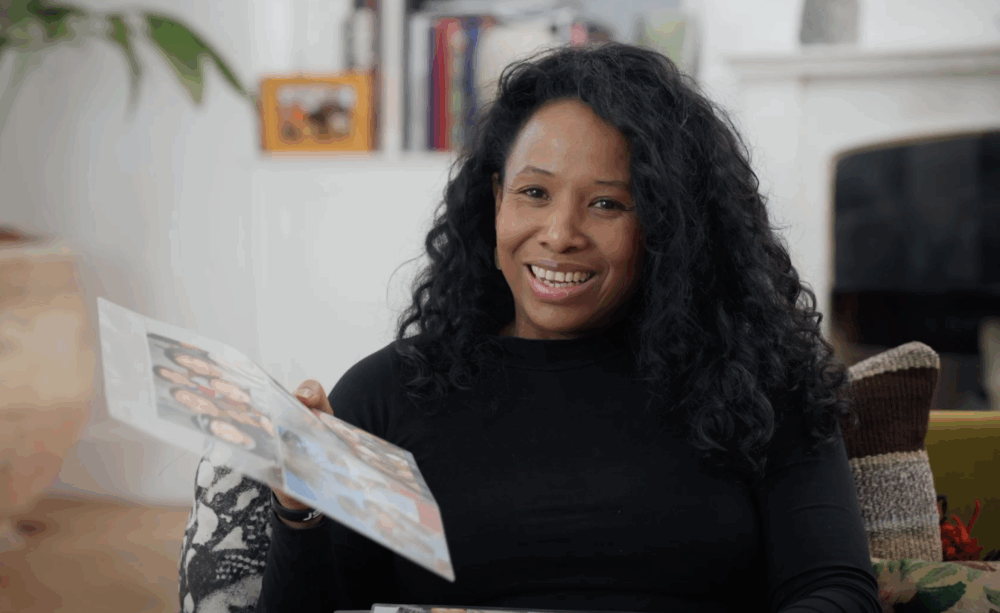
In our Facing Cancer series, Julien previously shared the story of a father’s fight. Today, Stéphanie speaks out. The same story, seen from within — through the eyes of a mother who carried her child, her fears and her hope throughout two years of illness.
A testimony of extraordinary strength, driven by one unwavering belief: we must fight childhood cancer.
“Why Him?” — The Shock of the Diagnosis
Stéphanie remembers every detail of that moment. The tests. Being called into the doctor’s office. And then those words — leukaemia, cancer — that changed everything.
“What was difficult at first was accepting the illness itself. Why? Why him? What did we do?”
Every parent of a seriously ill child knows these questions. That quiet, irrational, yet painfully real sense of guilt. Stéphanie does not avoid them. She puts them into words with a deeply moving honesty that captures what families go through in those first moments of shock.
“Why him? Why? What did we do?”
And yet, just a few weeks earlier, she had been the one who insisted on taking Tahyna to the emergency department that evening in November 2020, when everyone still believed it was simply conjunctivitis. It was an almost instinctive maternal decision — one that probably saved her son’s life.
The Hardest Moments: Going Back and Forth to Hospital
Throughout the long months of treatment, Stéphanie is very clear about what she found the most difficult. It was not the sleepless nights. It was not the medical protocols. It was those particular moments when Tahyna was allowed to come home for a few days — and then had to be taken back to hospital.
“When he was allowed to come home and then had to return to hospital. That was very hard.”
There is a specific, tangible pain in these words that only the parents of hospitalised children can fully understand. It is not the separation that is hardest to bear. It is the moment when you are briefly reminded of what life could be like, before closing the hospital door behind your child once again.
Comfort Toys and Laminated Photographs: Finding Strength in the Small Things
Faced with this ordeal, the family held on to what mattered most: their connection to one another. Often, it was the smallest gestures that made the greatest difference.
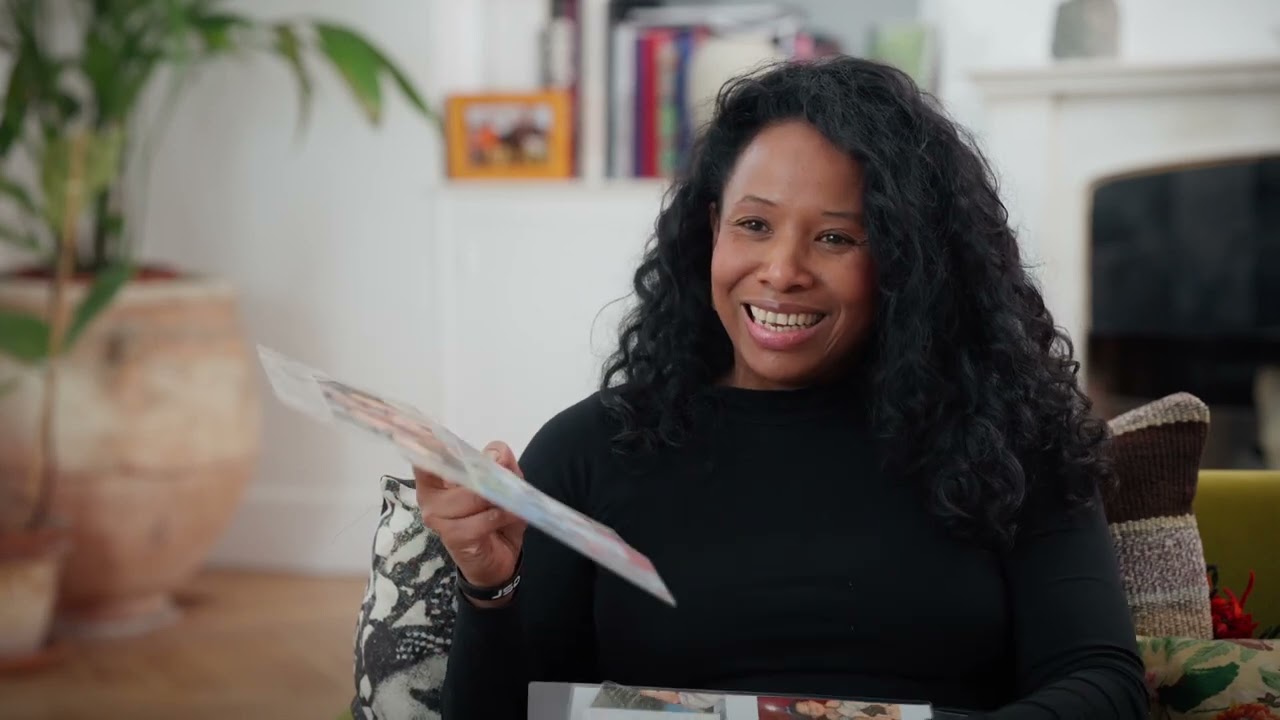
Tahyna had asked for photographs of his family. Stéphanie laminated every picture he had chosen himself. Every night, he slept with them beside him in his hospital bed.
Imagine for Margo also played a role during those moments. The comfort toys given by the charity became reassuring companions, reminding Tahyna that he was never alone.
“It was as though we were always with him, 24 hours a day,” Stéphanie says.
“Having those little comfort toys made it feel as though we were always with him, 24 hours a day.”
These details may seem insignificant. They are not. In the clinical environment of a paediatric oncology ward, every object that evokes home, family and ordinary love becomes a vital source of comfort.
Tahyna Today: 12 Years Old and in Remission
Tahyna turned 12 this year. He is in complete remission and no longer takes any medication. He continues to receive follow-up care, with an appointment every six months, but the illness now belongs to the past.
Stéphanie expresses it with a simplicity that is deeply moving:
“Life is about children. Children always have so much strength, much more than adults. Life is a gift. There are no other words.”
“Life is a gift. There are no other words.”
Four years after the diagnosis, these words sound like more than relief. They sound like a certainty — the certainty of a mother who came face to face with death and chose, every day, to believe in life.
Childhood Cancer: A Fight That Goes Beyond Families
Tahyna’s journey and that of his family reflect a reality experienced by thousands of families in France every year. Childhood cancer strikes without warning, often affecting children who had previously appeared perfectly healthy.
Leukaemia, the cancer Tahyna was diagnosed with, accounts for almost one third of all childhood cancers diagnosed each year.
Although medical progress has brought survival rates to around 80%, the journey remains long and filled with hardship, both for children and their parents. Exhaustion, isolation and the constant journeys between home and hospital are realities that research alone cannot resolve.
This is why supporting families lies at the heart of Imagine for Margo’s mission, alongside funding research.
“Reach Out to Charities” — Stéphanie’s Message
Stéphanie has a message for every family currently going through, or having gone through, what her family experienced.
She speaks with the directness of someone who knows exactly what it means: never give up. Always keep believing. Always stay strong. And above all, do not remain alone.
“Reach out to charities like yours, because you can truly help us, guide us, point us in the right direction and connect us with other parents so that we can talk.”
Her words are also an appeal to everyone who has not yet been directly affected by the illness.
“We need everyone to contribute financially, whenever possible.”
It is a simple and straightforward appeal, grounded in the experience of someone who has seen first-hand the difference solidarity can make.
Go, Fight, Win.
Stéphanie says these words with a smile at the end of her testimony. Coming from her, they are no longer simply a slogan. They are a promise fulfilled.