

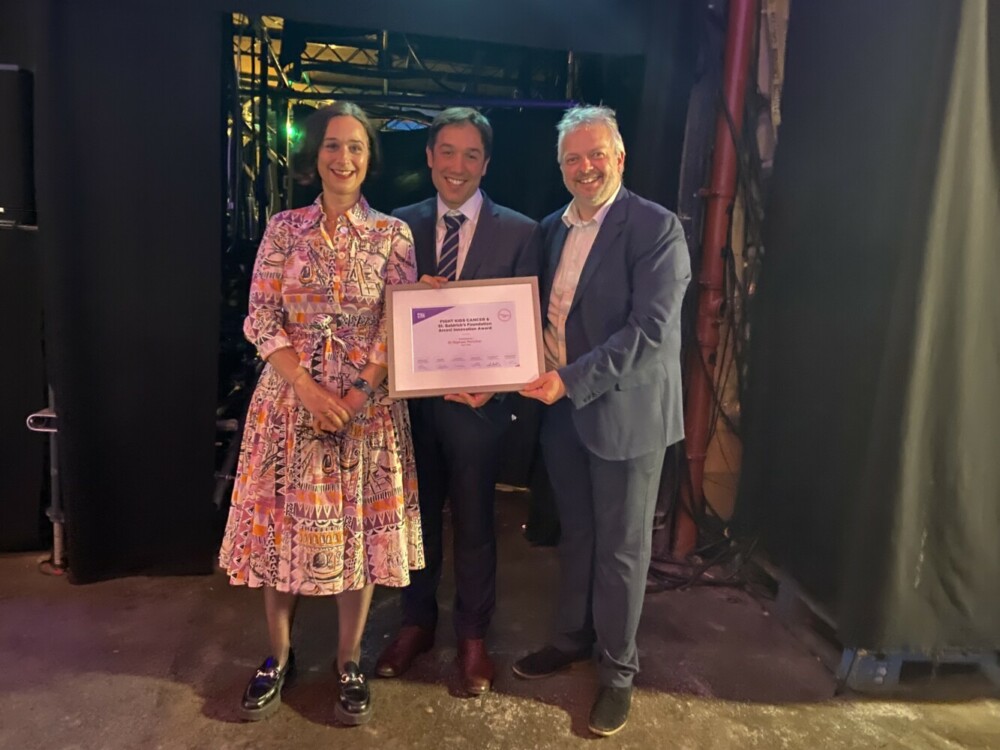
On May 6, 2026, in Glasgow, Imagine for Margo – Children without Cancer and its European FIGHT KIDS CANCER partners, alongside the St. Baldrick’s Foundation, presented the third Innovation Award to Dr Raphael J. Morscher, paediatric oncologist and researcher at the University Children’s Hospital Zurich (Kispi Zurich) and the University of Zurich. With €1 million in funding over four years, this unique European award will enable him to explore a still largely untapped approach in paediatric oncology: targeting tumour metabolism to pave the way for new treatment options for children with cancer.
A Third Edition Driven by a Strong Conviction: Paediatric Cancer Research Deserves Better
Cancer remains the leading cause of disease-related death among children over the age of one in Europe. Yet paediatric oncology research continues to be chronically underfunded and is too often overshadowed by adult cancers.
To address this urgent and unacceptable reality, the European member organisations of FIGHT KIDS CANCER — Imagine for Margo (France), KickCancer (Belgium), Fondatioun Kriibskrank Kanner (Luxembourg), CRIS Cancer Foundation (Spain and the United Kingdom), and KiKa (the Netherlands) — joined forces with the St. Baldrick’s Foundation in the United States to create the Innovation Award.
Three years after its launch, the award has established itself as a major driver of scientific innovation, providing ambitious, long-term and flexible funding designed to support projects that traditional funding schemes might consider too risky.
Dr Raphael J. Morscher: Asking a Different Question About Childhood Cancers
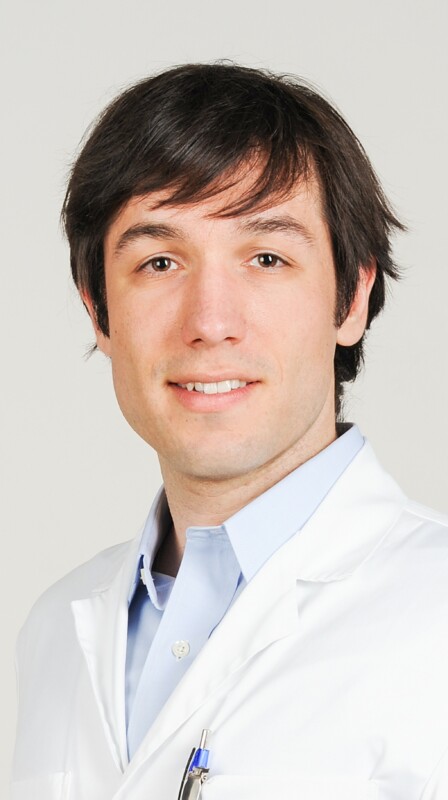 A practising paediatric oncologist and Principal Investigator, Dr Raphael J. Morscher leads a research programme in Zurich dedicated to the metabolism of paediatric cancers. Trained as a physician-scientist at Paracelsus Medical University in Salzburg and later as a quantitative metabolism researcher at Princeton University in the laboratory of Joshua Rabinowitz, he is also a member of the EMBO Young Investigator Programme and the NCCR Children and Cancer network.
His research asks an unusual question in paediatric oncology: rather than focusing solely on the genetic mutations carried by childhood tumours — as much of current research does — he seeks to understand what fuels these
cancers and how their metabolic dependencies can be turned into therapeutic targets.
As a practising paediatric oncologist and Principal Investigator, Dr Raphael J. Morscher leads a research programme in Zurich dedicated to the metabolism of paediatric cancers. Trained as a physician-scientist at Paracelsus Medical University (PMU) in Salzburg and later as a quantitative metabolism researcher at Princeton University in the laboratory of Joshua Rabinowitz, he is also a member of the EMBO Young Investigator Programme and the NCCR Children and Cancer network.
His approach asks an unusual question in paediatric oncology: rather than focusing on the mutations carried by childhood tumours — as most current research does — he seeks to understand what fuels them and how these metabolic dependencies can be transformed into therapeutic targets.
This strategy has a valuable characteristic: it is intentionally independent of tumour type. Dr Morscher’s laboratory studies paediatric cancers on a patient-by-patient basis, using metabolism as a window into each child’s disease. This shared framework enables his team to work across clinically diverse cancers, including neuroblastomas, paediatric sarcomas and leukaemias, while opening up broad therapeutic perspectives that few research groups are currently exploring.
Metabolism refers to all the processes through which cells produce the energy and molecules they need to survive. Recent research has shown that cancer growth also depends on the ability of tumour cells to reprogramme their metabolism in order to generate the energy required for rapid proliferation. For example, targeting the vitamin B5 transport system in breast cancer cells has been shown to significantly slow their division. By selectively depriving cancer cells of their energy sources or blocking their supply mechanisms, it may be possible to slow tumour growth, reduce metastatic potential and improve the effectiveness of existing treatments. This is precisely the strategy that Dr Morscher’s team aims to explore through the third edition of the Innovation Award, focusing on paediatric cancers that remain particularly difficult to treat.
A Grant to Bridge the Gap to Clinical Application
For Dr Morscher, the Innovation Award comes at a pivotal moment:
“This grant supports our efforts at a crucial stage as we work to translate our innovations into clinical impact. It will allow us to strengthen our connections with the specialised clinical community and truly pave the way for patients.”
In practical terms, the funding will enable his team to launch the first clinical trial for children with neuroblastoma based on the metabolic concepts developed in his laboratory — a decisive and still too rare step in moving discoveries from the laboratory bench to the patient’s bedside.
“Beyond this clinical trial, the award will accelerate innovative projects at the intersection of fundamental metabolism research and clinical translation — projects that are often considered too risky by traditional funding schemes.”
This scientific freedom is one of the hallmarks of the Innovation Award: not only significant funding — €250,000 per year for four years — but also long-term trust that allows research teams to adapt, test new ideas and explore bold scientific directions.
Inspiring a New Generation of Researchers
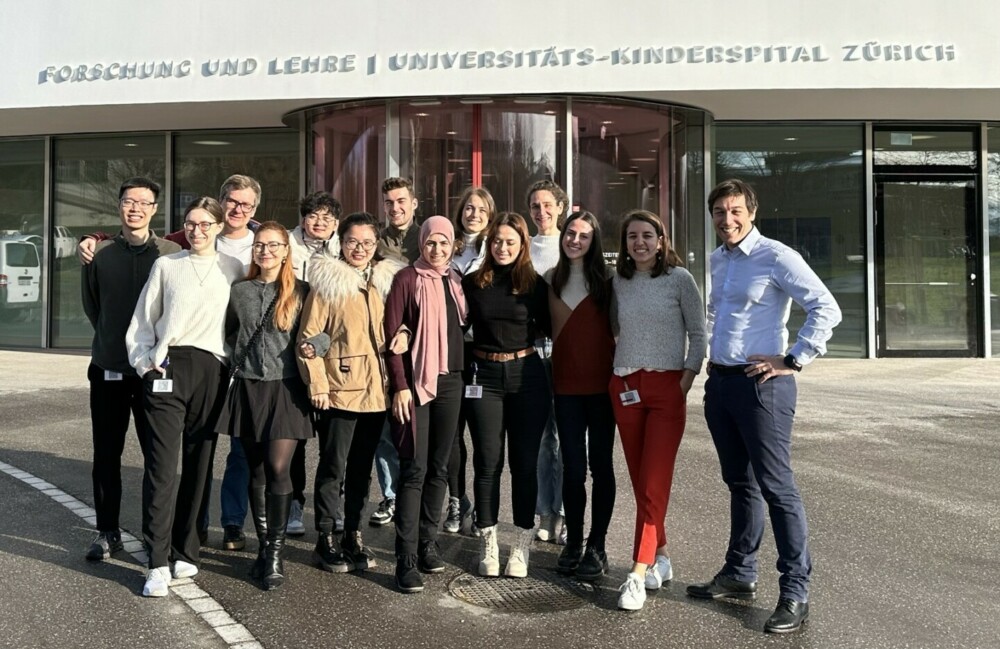
“The 2026 FKC/SBF Innovation Award shines a spotlight on the metabolism of paediatric cancers. Together with my team, we hope to inspire a new generation of scientists and clinicians to pursue this field. I am confident that bringing together talented individuals from different disciplines will enable us to make a lasting impact on the daily lives of children with cancer and their families.”
This ambition to inspire and share knowledge reflects one of the founding principles of FIGHT KIDS CANCER: the fight against childhood cancer will not be won in isolation, but through the pooling of expertise — across disciplines, countries, laboratories and hospitals.
A Chain of Trust Between Families, Charities and Researchers
For Patricia Blanc, Founder and President of Imagine for Margo and Co-Founder of FIGHT KIDS CANCER:
“Every Innovation Award we present is made possible by the thousands of families, runners, partners and donors who support us throughout the year. This €1 million awarded to Dr Morscher is their commitment transformed into tangible research. It is also proof that, by joining forces across Europe, we can foster ambitious, independent science that directly benefits children with cancer.”
Three Laureates, One Shared Mission
With the 2026 edition, the FIGHT KIDS CANCER Innovation Award will have supported three leading scientific teams at different stages of the research journey:
- 2024 — Dr Sophie Postel-Vinay (Gustave Roussy Institute / University College London): rare childhood and adolescent tumours, precision medicine.
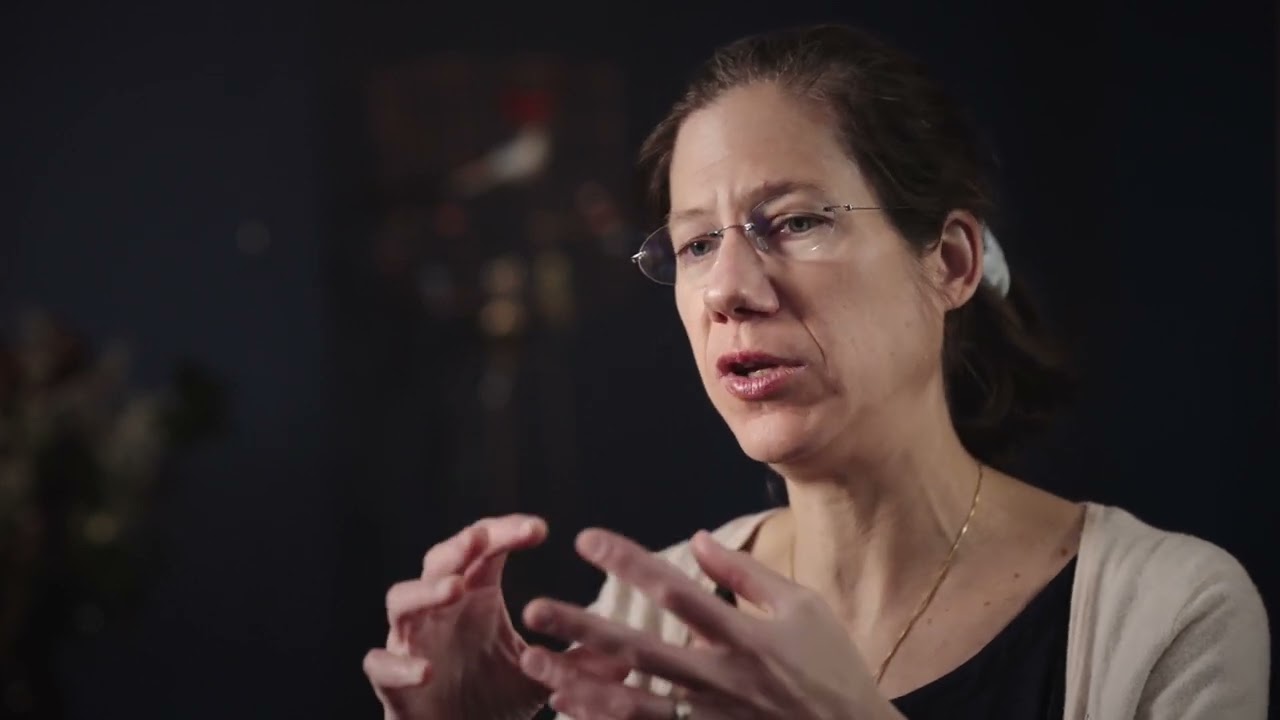
- 2025 — Dr Joshua Waterfall (Institut Curie, Paris): paediatric immunotherapy, identifying new tumour targets for cancer vaccines and CAR-T cell therapies.
- 2026 — Dr Raphael J. Morscher (University Children’s Hospital Zurich): paediatric cancer metabolism and the development of the first clinical trial in neuroblastoma based on metabolic approaches.
Three projects, three teams, one shared conviction: what paediatric cancer research lacks most is not ideas, but the resources needed to bring those ideas all the way to children.
Supporting Research Means Taking Action
Behind every Innovation Award stands a collective movement. In 2026, Imagine for Margo invites everyone who wants to take action against childhood cancer to join the Children without Cancer charity runs:
▸ Monday, June 2, 2026 – Children without Cancer City, Paris La Défense. A charity run at the heart of Europe’s leading business district, open to companies, employees and all committed citizens.
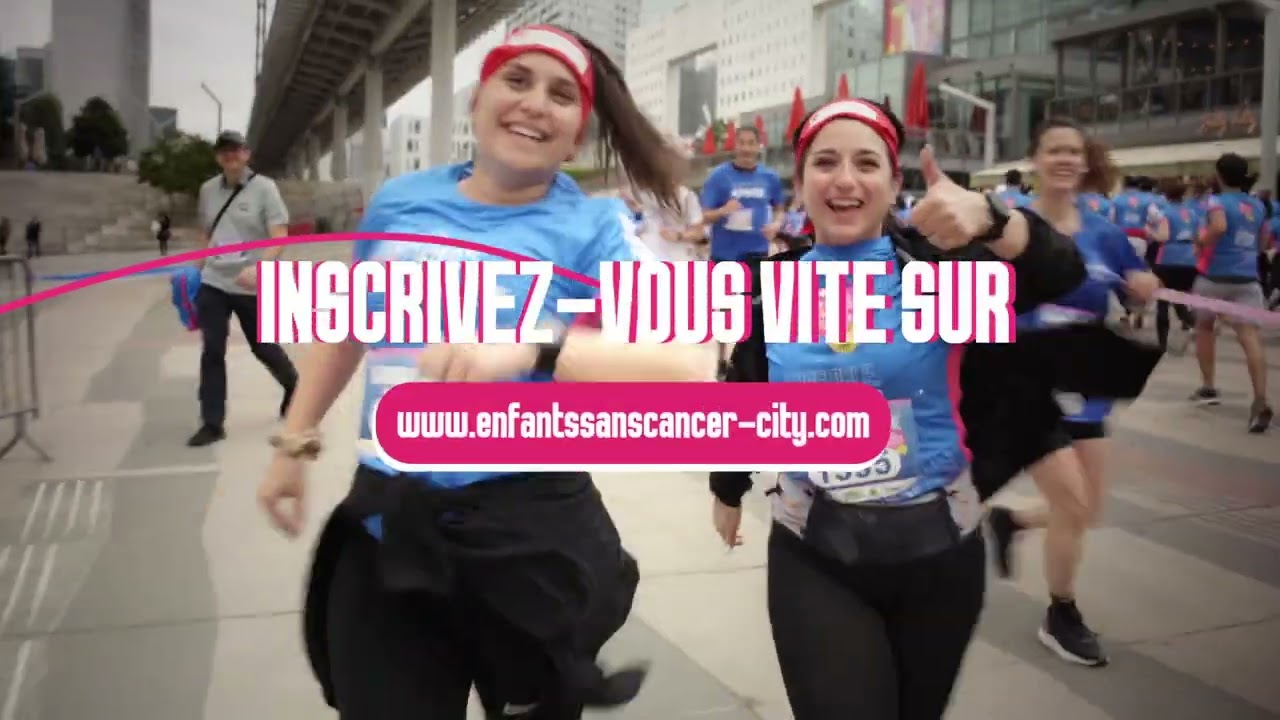
▸ Sunday, September 27, 2026 – Children without Cancer, Domaine National de Saint-Cloud. Also available as a connected event across France and Europe, this major annual charity run brings together families, runners, partners and researchers around one shared goal: advancing childhood cancer research.
100% of the funds raised are dedicated to paediatric oncology research and to improving the well-being of children with cancer.
▸ Registration and information: www.enfantsanscancer.fr
PRESS CONTACTS
Maxime Roques
Communications Manager – Imagine for Margo
+33 (0)6 84 15 44 58
maxime@imagineformargo.org
Caroline Le Got
Burson
+33 (0)6 23 01 03 12
caroline.legot@bursonglobal.com