

The 13th edition of the FAST symposium took place this Saturday, February 7, at the Maison Châteauform’ Metropolitan, welcoming more than 200 participants—a record turnout! Patients, families, healthcare professionals, researchers, pharmaceutical industry experts, public authorities, and associations gathered in this beautiful venue to highlight the importance of the progress achieved and the need to continue innovating in order to meet the many challenges that still lie ahead. Throughout the day, numerous ideas emerged and were discussed. Below, discover a summary of these inspiring exchanges and the perspectives that arose from them.
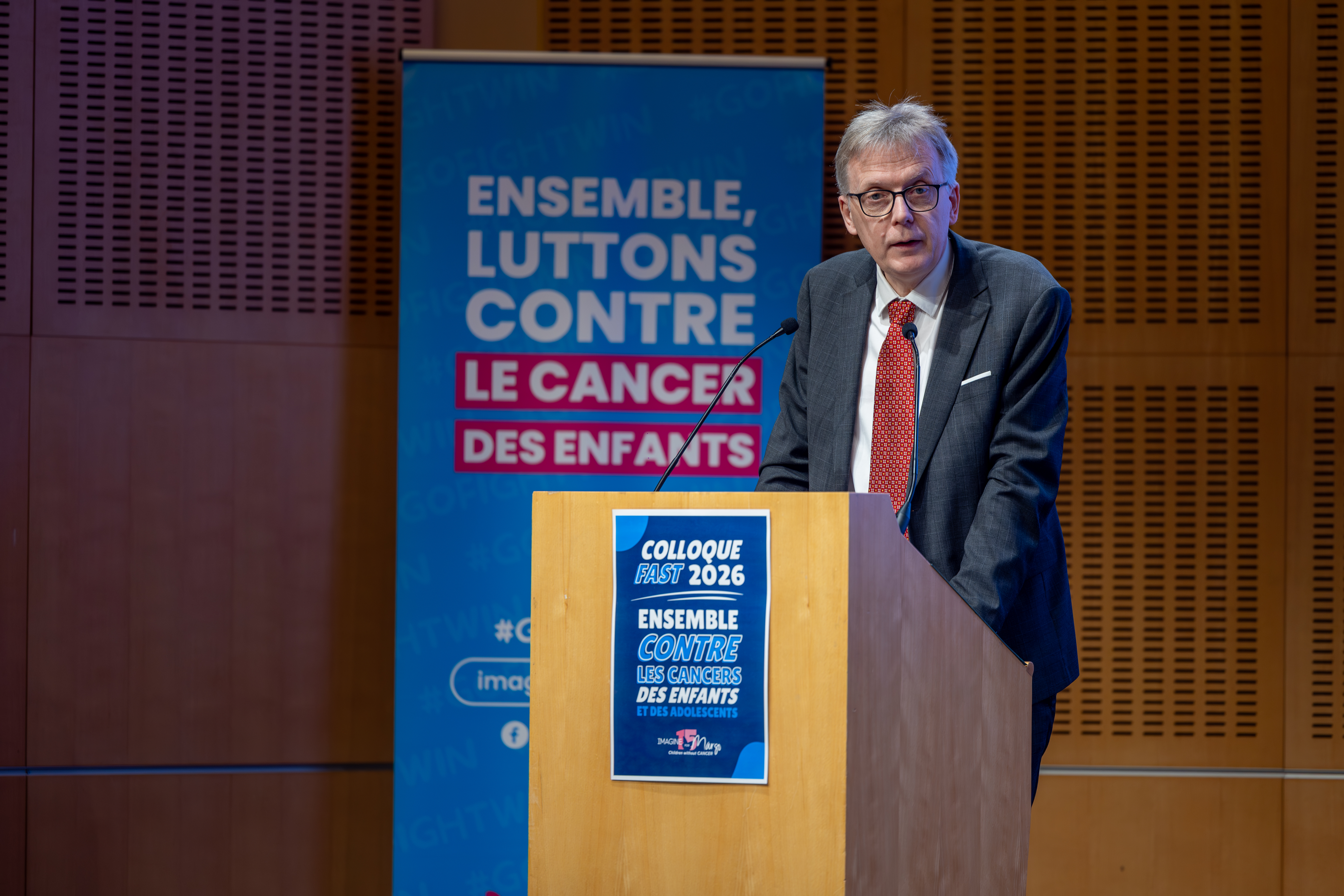
A symposium opened by Emmanuel Touzé, Special Health Advisor to the Minister of Higher Education, Research and Space
Emmanuel Touzé kindly opened this day of discussion and debate. He reflected on a meeting held at his ministry last April that brought together associations and researchers, including Imagine for Margo. The main objective was to consider an impactful action plan to ensure that patients and the scientific community can benefit as much as possible from the €20 million budget allocated in particular to laboratory and clinical research. During the FAST symposium, the protection (“ringfencing”) of this annual funding was reaffirmed.
He also reiterated the priority given to advances in childhood cancer research, whether to better understand these diseases (MAPPYACTS) or to improve treatments, citing the AcSé-Esmart and BIOMEDE programs as examples.
Imagine for Margo: 15 years of fighting childhood, adolescent and young adult cancers
On the occasion of Imagine for Margo’s 15th anniversary, our President Patricia Blanc and Professor Gilles Vassal reflected on our shared history—years of resilience, dialogue, struggle, and progress.
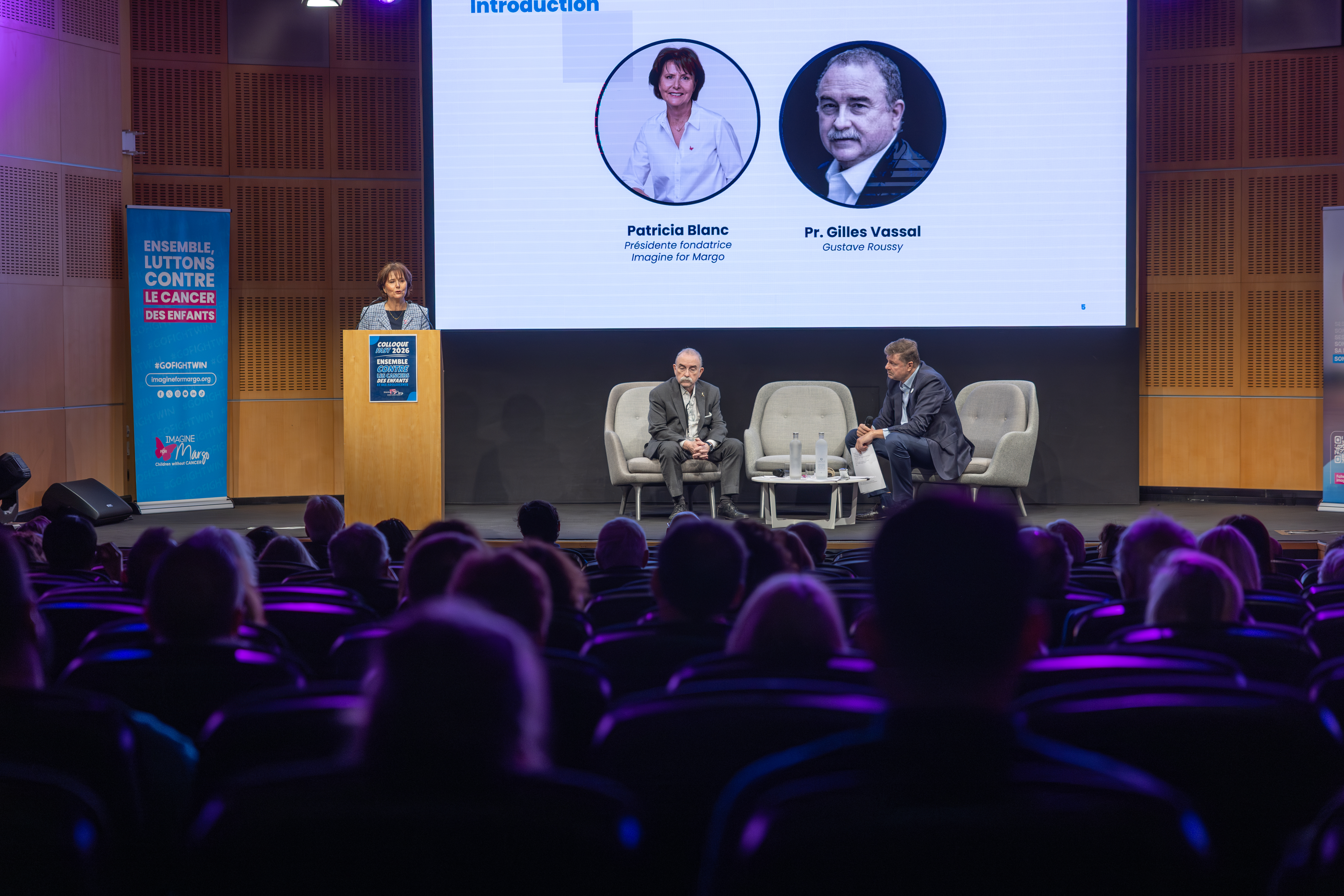
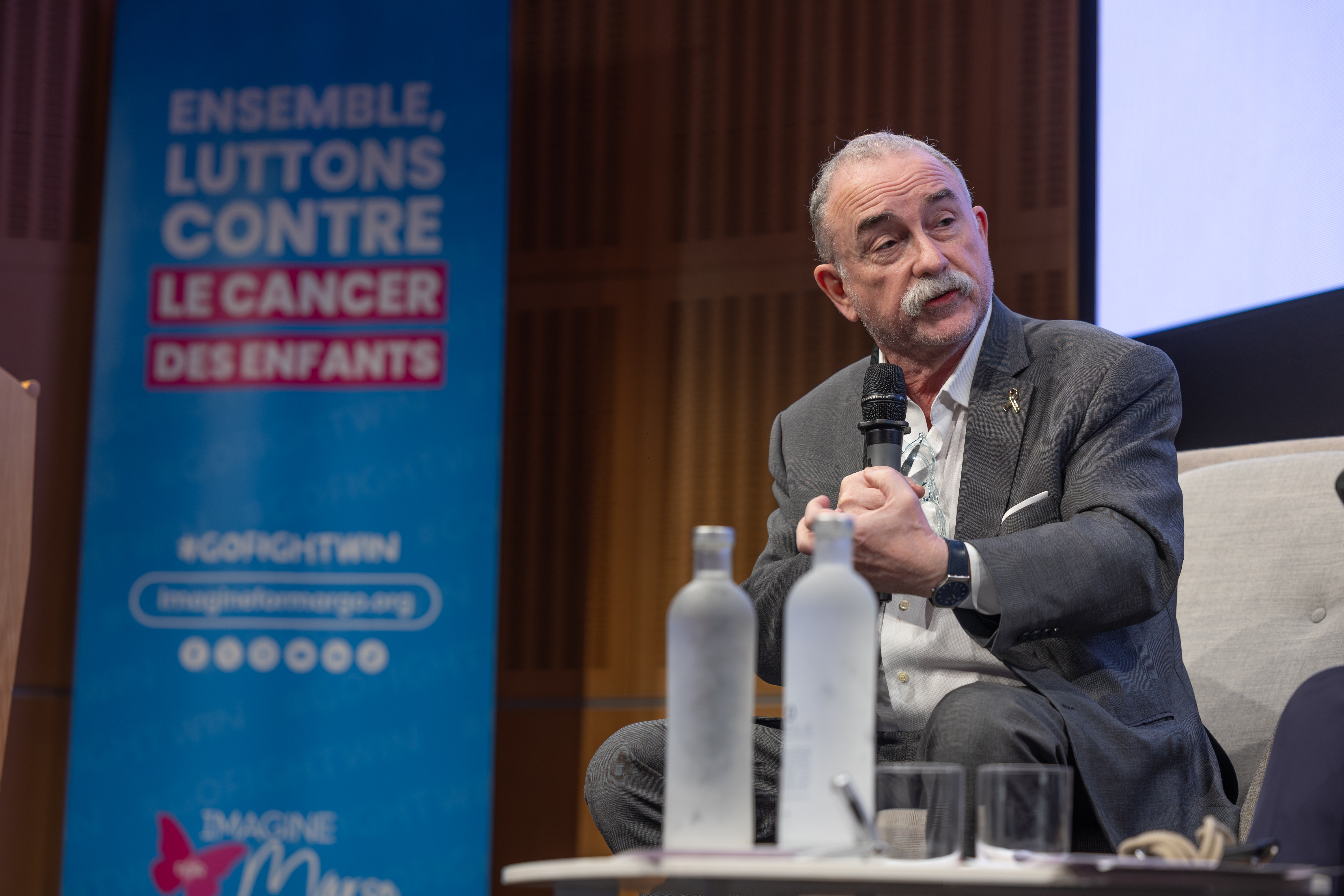
They revisited where it all began at Gustave Roussy, following Margaux’s battle, when her parents, alongside Professor Gilles Vassal, became aware of a major injustice: the lack of treatments specifically developed for children with cancer. Faced with this reality and inspired by the message left by Margaux—“Go for it, fight, win”—they decided to create Imagine for Margo, with the ambition from the outset to act at the European level to accelerate research and improve care for pediatric cancers. It was in this spirit that a structuring vision around precision medicine emerged very early on—at a time when it did not yet exist—and which is now integrated into and funded by public policies.
Since then, Imagine for Margo has done far more than fund research. The organization has played a driving role in uniting stakeholders and transforming the landscape of pediatric oncology. With more than €28 million invested in research, the creation of the Fight Kids Cancer collective, and the ongoing mobilization of associative, scientific, institutional, and industrial actors, its impact has multiplied. This collective momentum has made it possible to support pioneering research programs, break down silos, include the patient voice, and above all secure dedicated public funding in France and Europe: more than €100 million mobilized at the European level since 2021, and €50 million in France for fundamental research.
While major advances have been achieved, speakers emphasized the urgency of continuing these efforts: strengthening data sharing, attracting more industrial partners, and developing new drugs specifically for pediatric use remain critical challenges.
Thanks to its strategic vision and unifying role, Imagine for Margo has sustainably changed the landscape and contributed to the recognition of pediatric cancers as a public health priority in France and Europe.
Focus on research: celebrating progress while remaining realistic about future challenges
The first part of this scientific session focused on three projects supported by Imagine for Margo and Fight Kids Cancer. These projects illustrated major advances in pediatric oncology research, ranging from a deeper understanding of the biological mechanisms of cancer to tangible improvements in children’s quality of life after treatment.
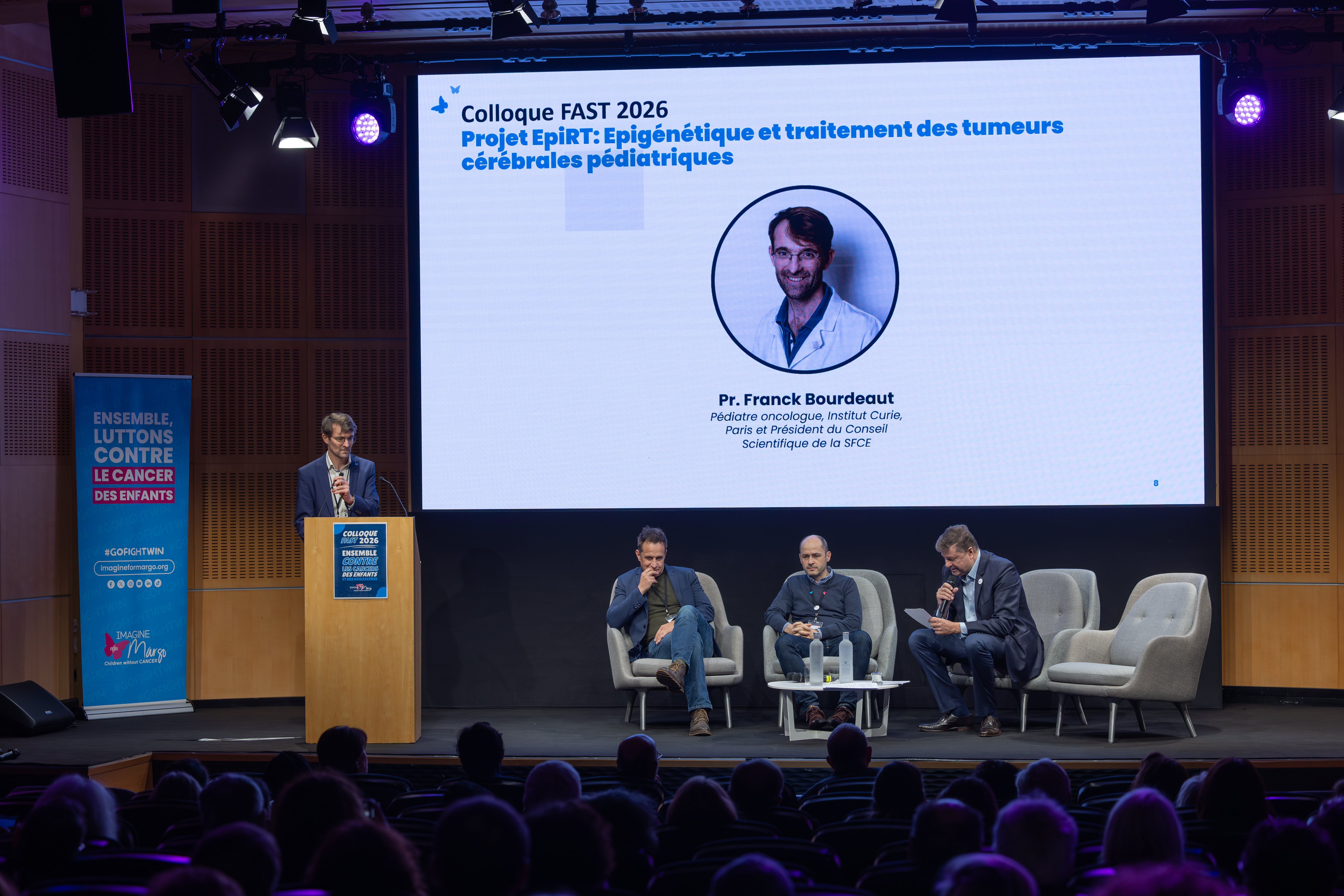
Professor Franck Bourdeaut presented the EpiRT project, dedicated to atypical teratoid/rhabdoid tumors (AT/RT), rare and extremely aggressive cancers affecting very young children. These tumors are linked to the loss of the SMARCB1 gene, a key regulator of epigenetics. By targeting these epigenetic disruptions using new “epidrugs,” his team achieved highly promising laboratory results, with strong inhibition of tumor growth in preclinical models. This work opens the door to innovative therapeutic strategies that could be translated into clinical practice.
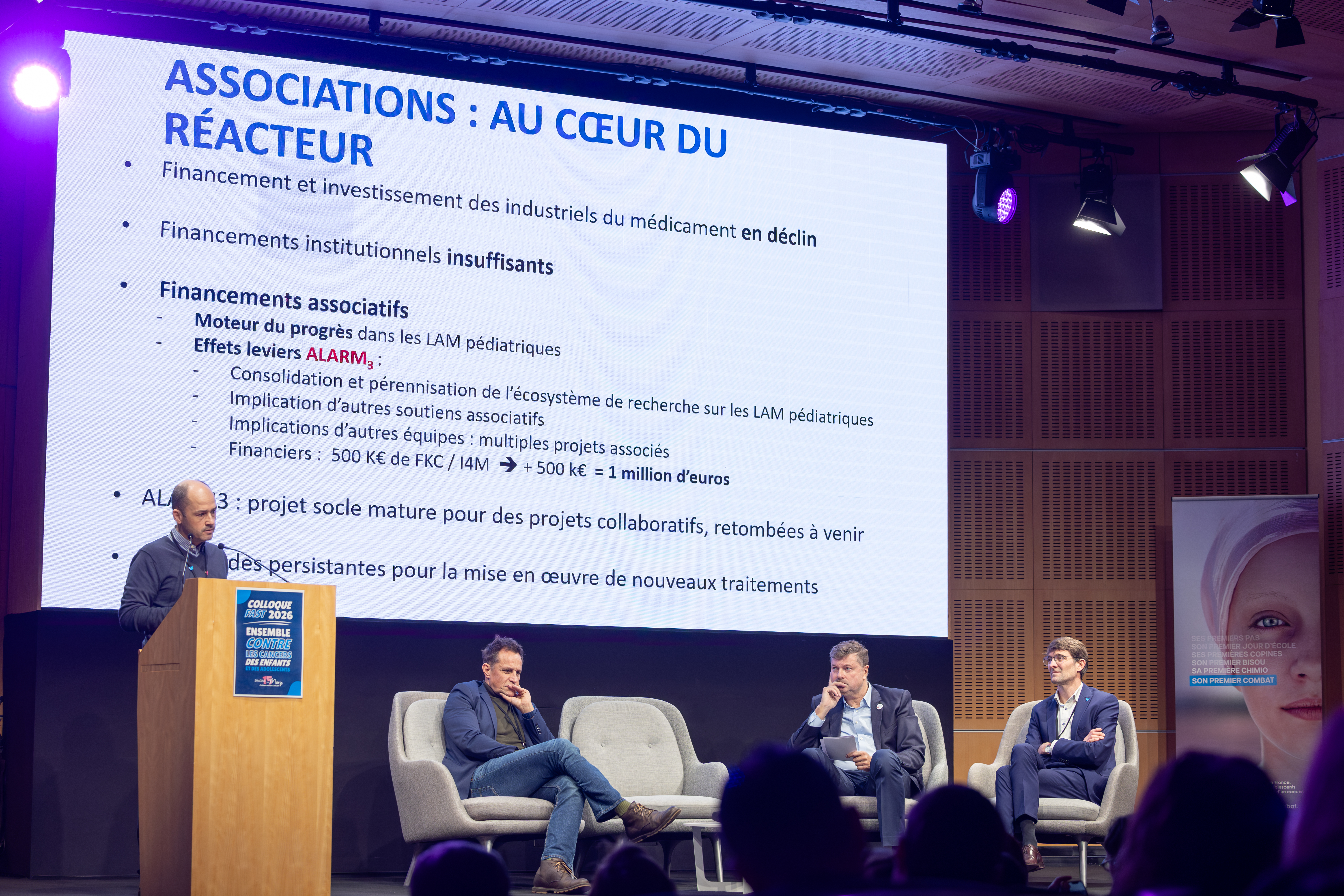
Professor Arnaud Petit then presented the ALARM3 project, part of the national CONECT-AML network, which aims to better understand and prevent relapses of acute myeloid leukemia (AML) in children and adolescents. Despite high initial remission rates, relapses remain frequent and severe. ALARM3 relies on an integrated approach combining genomic analyses, study of the bone marrow microenvironment, and pharmacological screening to identify new prognostic markers and innovative therapeutic targets. Implemented across all French pediatric hematology centers, this project is part of a long-term strategy to further integrate targeted therapies and immunotherapies into future treatment protocols.
Finally, Dr. Michael Reber presented the REVIIHBT project, which addresses the frequent and disabling visual impairments caused by brain tumors and their treatments. Thanks to an innovative visual telerehabilitation approach based on immersive virtual reality, this program allows patients to undergo rehabilitation at home. The ongoing European study is evaluating the effectiveness of this audiovisual stimulation in 100 young patients with visual field loss. Preliminary results, recently published in The Lancet, already show a clinically significant improvement in visual function in nine out of ten participants, highlighting the potential of this approach to sustainably improve quality of life after cancer.
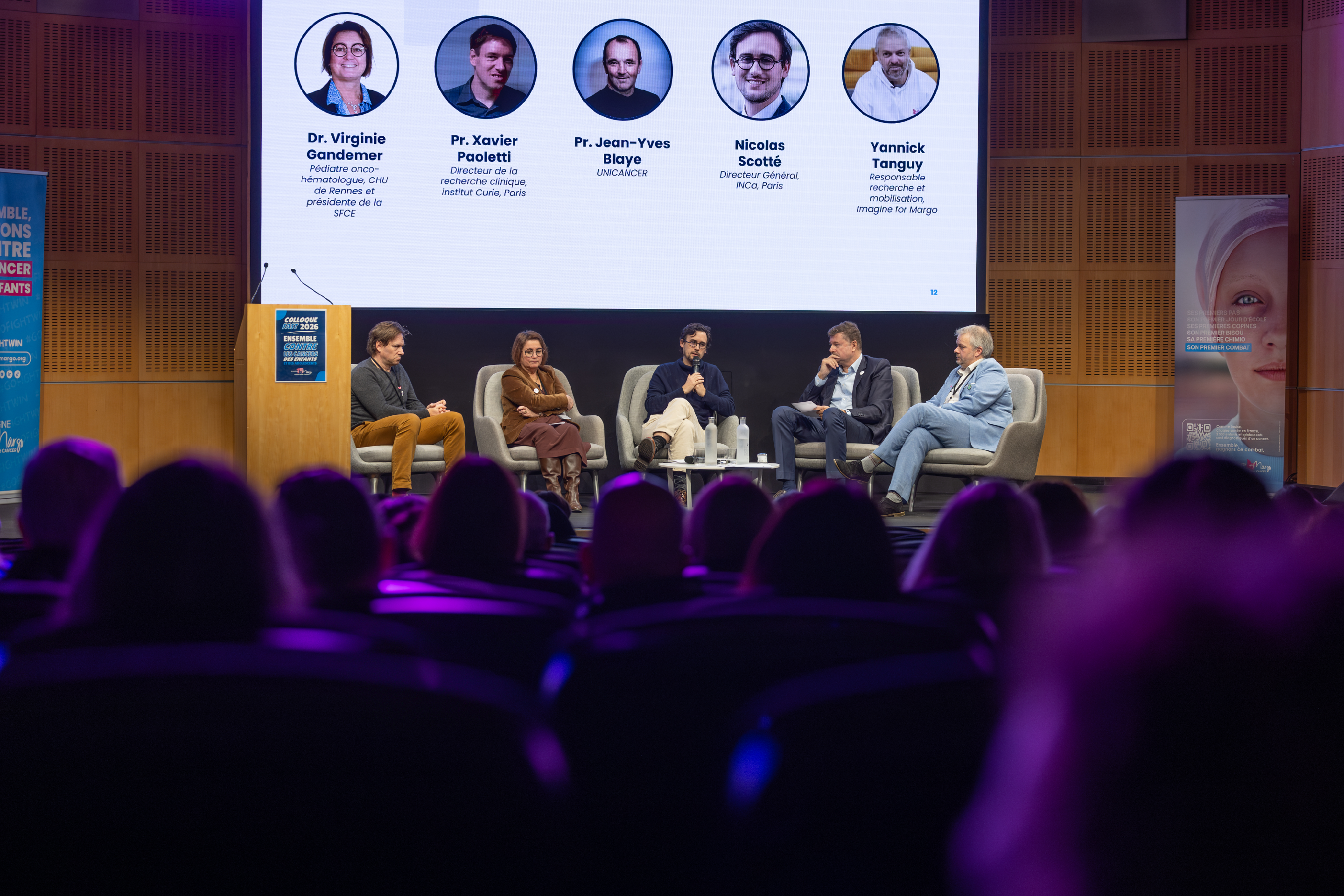
A roundtable discussion then brought together Dr. Virginie Gandemer (clinician at Rennes University Hospital and President of the SFCE), Professor Xavier Paoletti (Institut Curie), Nicolas Scotté (Director General of the French National Cancer Institute – INCa), and Yannick Tanguy, our Head of Research, to discuss the many unmet needs of clinical research in 2025. Imagine for Margo conducted a needs assessment among researchers in order to make research more fluid, better resourced, and ultimately more effective through our funding and actions. This work revealed that clinical research in pediatric oncology continues to face deep structural obstacles that hinder access to therapeutic innovation.
The rarity of pediatric cancers necessitates multicenter, often international trials, which are complex to set up. At the same time, the gradual disengagement of the pharmaceutical industry—now supporting only a minority of pediatric trials—widens the gap with adult oncology. Academic teams on the front line are left with insufficient resources to carry these ambitious projects alone.
In summary, funding for clinical trials remains one of the main barriers. Current public funding mechanisms do not adequately cover the real costs of pediatric trials, particularly early-phase trials and innovative therapies. Teams are forced to multiply funding sources, at the expense of time and efficiency. Structural funding needs remain largely unmet, especially for key clinical research positions and data management. The sharing of biological samples and clinical data is also a major challenge. A lack of dedicated human resources and complex, heterogeneous regulatory frameworks significantly slow research efforts. Many clinicians are calling for the creation of structured, sustainable, and accessible databases and biobanks. Finally, the heavy regulatory procedures and chronic understaffing considerably extend the time required to launch clinical trials—sometimes by several years.
The roundtable participants highlighted key solutions, such as INCa PHRC funding specifically dedicated to pediatrics, strengthening integrated research centers like PEDIACRIEX in close collaboration with clinicians, and establishing framework agreements to accelerate trial initiation and the sharing of data and samples.
Nicolas Scotté, Director General of INCa, then presented the second phase of the 2026–2031 Ten-Year Cancer Strategy, in which pediatric oncology is one of the major priorities. The protection of annual funding of €20 million, provided by the Ministries of Health and Research, will support large-scale research projects and strongly reinforce clinical research. Mr. Scotté also addressed the impact of cancer on adolescents and young adults (ages 15–24), a population with specific needs at the interface between pediatric and adult oncology that remains insufficiently addressed. The ten-year strategy aims to better adapt care and support pathways for this group while continuing efforts for childhood cancers. It is based on a better understanding of cancers in children and AYAs, improved access to innovative treatments, adapted care and support, and structured long-term follow-up.
Better meeting the needs of the entire family: patients, parents, brothers and sisters
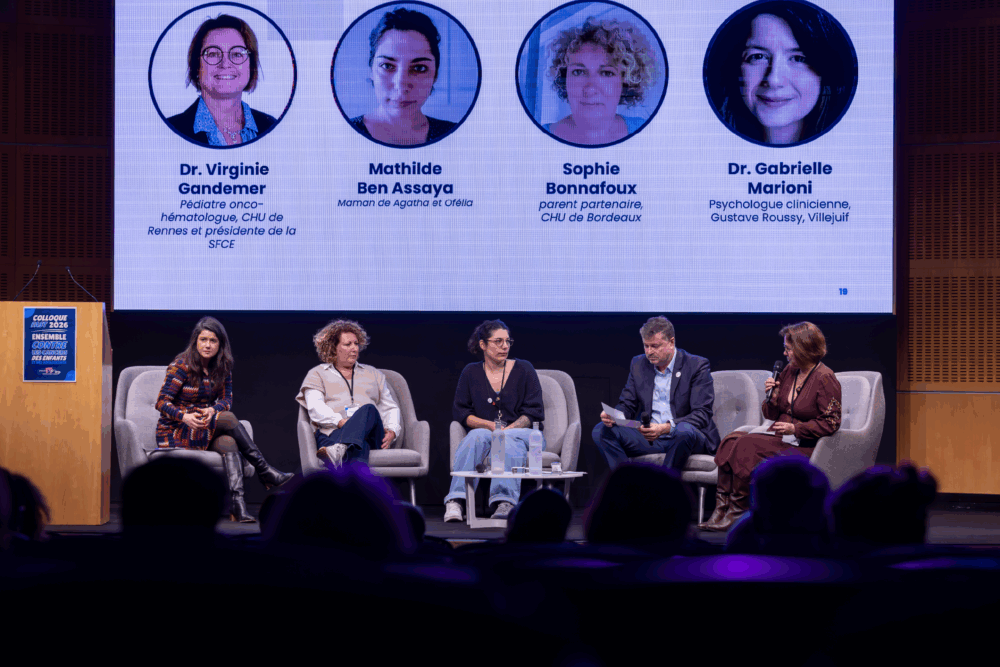 The second roundtable of the day brought together Dr. Virginie Gandemer, Mathilde Ben Assaya (a mother who participated in a Dana Escape retreat), Sophie Bonnafoux (patient partner at Bordeaux University Hospital), and Dr. Gabrielle Marioni (clinical psychologist, Gustave Roussy). Together, they discussed the needs of families and the actions required to ensure they are not left alone in facing the disease.
Cancer plunges parents into an acute emotional crisis marked by anxiety, guilt, fear of the future, and sometimes a questioning of their protective role. They must reorganize their daily lives, juggling medical care, family responsibilities, and professional constraints, often without adequate institutional support—leading to increased fatigue, stress, and feelings of isolation. Clear, progressive, and adapted communication with healthcare professionals is essential to help parents better understand the medical situation and engage calmly in their child’s care pathway.
At the same time, siblings also experience an intense and often overlooked ordeal. Brothers and sisters may feel isolated, invisible, or less important due to the overwhelming focus on the sick child. They frequently experience disruptions to their routines, a loss of reference points, and a lack of emotional support, which can lead to fear or sadness.
To address these needs, the speakers discussed various initiatives aimed at better informing and supporting parents during and after the illness, ensuring children have access to all necessary supportive care, and providing siblings with much-needed listening and support (respite stays, the crucial role of parent partners, psychological support, and access to information).
Ms. Bonnafoux, a parent partner at Bordeaux University Hospital, spoke about her role in supporting parents who have just received a cancer diagnosis for their child. She explained the needs she addresses, her integration within the hospital department, and her wish to see this role expanded across France.
We will only accelerate treatments if we also support start-ups in developing innovation in pediatric oncology
 Innovation in pediatric oncology cannot be sustainably accelerated without stronger engagement from innovative companies (biotechs, medtechs, and start-ups), whose agility, disruptive technological capacity, and innovative approaches are major assets. However, despite a genuine desire to act, these players still face significant structural barriers, including complex regulatory and ethical frameworks, limited access to data and pediatric cohorts, difficulties in setting up dedicated clinical trials, long development timelines, and uncertainties linked to a narrow economic market.
At the same time, many opportunities are emerging, particularly thanks to the mobilization of Imagine for Margo. The structuring of collaborative ecosystems—such as the Paris Saclay Cancer Cluster, where a “Pediatric Cancer Working Group” has been created and in which Patricia Blanc is involved—encourages interaction between academic, clinical, and industrial research and fosters the emergence of innovative projects. Moreover, the two editions of Hack4Hope, co-organized by PSCC, Sanofi, LifeArc, the BMS Foundation, Fondation S, and Imagine for Margo, also illustrate our ability to generate concrete solutions for patients by bringing together scientific, technological, entrepreneurial expertise and the lived experience of patients and families.
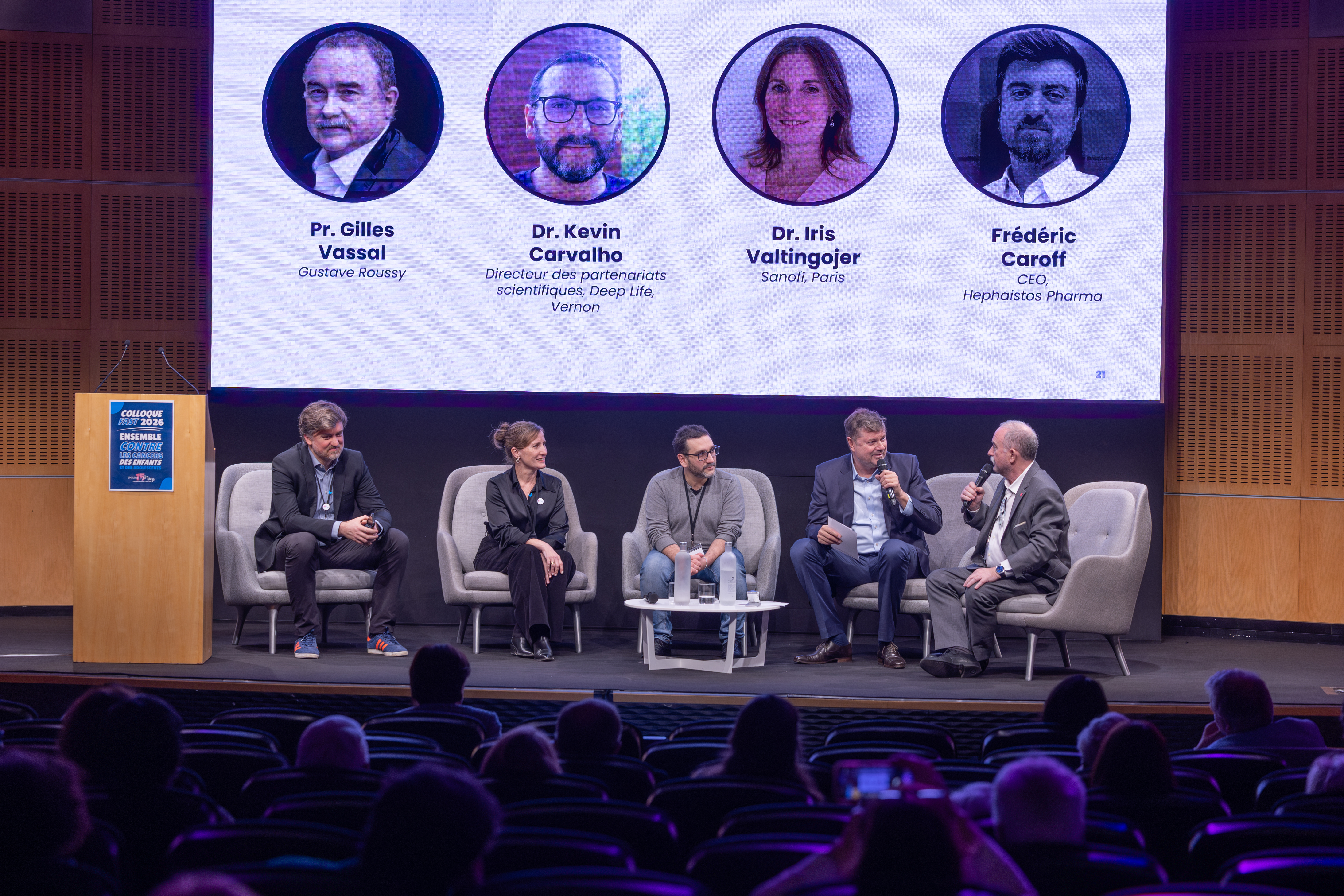
These dynamics demonstrate that, when properly supported, start-ups can find in pediatric oncology a field of innovation with strong medical, societal, and human impact. This roundtable—bringing together Professor Gilles Vassal, Dr. Iris Valtingojer, and award-winning teams from the first Hack4Hope—aimed to collectively identify the conditions needed to remove these barriers, enhance the field’s attractiveness, and create an environment conducive to the emergence of new solutions for children and adolescents with cancer. Together, participants revisited the difficulties companies face in financing pediatric oncology projects and in persuading hospitals to cooperate more effectively, particularly in sharing data.
The symposium concluded with a strong closing statement from our President, who recalled the purpose of this event, which brought together more participants than ever before: “This FAST symposium, which I imagined thirteen years ago, has always had a very simple ambition: to be a defining moment. A moment of sharing, of synergy, a moment to give birth to ideas—and above all, to turn them into concrete actions.”
Once again, the symposium lived up to its promises, and we look forward to meeting again for a 14th edition, with even more ideas to be born and to grow.
We warmly thank our big-hearted partner Châteauform’ for their welcome and their invaluable support.